Art Therapy Activities You Can Do at Home
FreeReverseColoring · Editorial
Quick Answer
Art therapy is a clinical practice delivered by licensed therapists — it is not the same as using art for self-care. But therapeutic art activities done independently at home offer real psychological benefits, including reduced anxiety, improved mood, and greater self-awareness. This article covers 8 evidence-adjacent home art practices and explains clearly when self-directed activity is appropriate and when professional help is the better choice.
What Art Therapy Actually Is (And Isn't)
The term "art therapy" is used loosely in wellness culture in ways that sometimes obscure what it actually means. Before diving into activities you can do at home, it's worth being precise — both for accuracy and because the distinction matters for knowing when self-directed art practice is appropriate and when professional support is warranted.
Art therapy is a mental health profession. Credentialed art therapists hold master's-level training that combines psychology, counseling theory, and art practice. In the United States, the credential is typically ATR (Art Therapist Registered) or ATR-BC (Board Certified), issued by the Art Therapy Credentials Board. Art therapy sessions take place in clinical settings — hospitals, outpatient mental health clinics, schools, rehabilitation centers — and involve a therapeutic relationship, treatment planning, and clinical documentation.
In clinical art therapy, the art-making serves the therapeutic process. A therapist might use image-making to help a client access emotional material that's difficult to approach verbally, to track how a client's internal state changes over time, or to create externalized representations of trauma or difficult experience. The therapist interprets and responds to the work. The relationship between therapist and client is the container in which the art is meaningful.
This is categorically different from making art at home for self-care purposes — even if the activities look similar on the surface.
The term "therapeutic art activities" is more accurate for what people can do independently. These are art-making practices that draw on principles from art therapy research — the ideas about how creative engagement affects mood, attention, and self-awareness — but without the clinical framework, the therapist relationship, or the treatment goals. The psychological benefits are real, but they are different in nature and scope from clinical art therapy.
This matters because: (1) it's honest, (2) it helps you calibrate expectations, and (3) it helps you recognize when what you're dealing with calls for professional support rather than more art-making.
The Research Behind Therapeutic Art Activities
Even outside clinical settings, the research on art-making and psychological wellbeing is substantive.
A frequently-cited 2016 study published in the Journal of the American Art Therapy Association measured cortisol levels in 39 adults before and after 45-minute art-making sessions. Regardless of prior art experience, 75% of participants showed cortisol reduction after the session. The researchers concluded that the stress-reducing effect of art-making was accessible to virtually anyone, not just those with artistic training.
Research from Drexel University's Department of Creative Arts Therapies has found consistent associations between brief art-making sessions and reduced self-reported anxiety. Studies on visual journaling — a practice of combining written reflection with drawing or image-making — suggest benefits for emotional processing that complement (but don't replace) verbal reflection.
Neuroscience research using fMRI imaging has found that engaging in creative visual activities activates the brain's reward network in ways that include the nucleus accumbens, associated with satisfaction and positive affect. The combination of purposeful making, sensory engagement, and the completion of a creative object appears to produce a distinctive form of satisfaction.
None of this means art-making at home is equivalent to therapy. But it does mean there are sound reasons to incorporate it into a self-care practice.
"Making something with your hands — anything, for any reason — activates systems in the human brain that have not fundamentally changed since the first marks on cave walls. There is something very old about the relief it provides."
8 Therapeutic Art Activities for Home
These activities are organized roughly by what they're best suited to address — though most have broader benefits.
1. Visual journaling. Combine written reflection with drawing, collage, color, and image. The key distinction from a text-only journal is that the visual element accesses a different processing channel. Emotions that are difficult to articulate in language sometimes surface more easily in color, shape, and image. A visual journal doesn't need to be beautiful or legible to anyone else. It's a private processing tool. Materials: blank or dot-grid journal, any drawing tools, magazine cutouts for collage if desired.
2. Mandala drawing and coloring. Circular, symmetrical forms have been used across cultures for meditation and self-reflection. In Western art therapy, Carl Jung used mandala drawing extensively with clients as a form of active imagination. The repetitive, symmetrical structure of mandala-making is cognitively absorbing in a way that quiets rumination. You can create your own (a circle divided into sections) or use printed templates. The act of choosing colors, filling forms, and creating something symmetrical tends to be meditative rather than demanding. Particularly suited to: anxiety, racing thoughts, insomnia-adjacent restlessness.
3. Collage. Selecting and arranging images torn from magazines creates a different relationship to the material than drawing or painting. You're working with existing images rather than generating marks from nothing. This can feel more accessible and less exposing. Collage is frequently used in therapeutic contexts for self-portrait work, future-visioning exercises, and grief processing (creating tribute images). At home, it can be as simple as a collection of images that feel meaningful and arranging them on a page. Particularly suited to: identity exploration, transitions, grief.
4. Free-form painting or drawing. Set a timer for 20-30 minutes. Use paint, pastels, or markers. Make no plan. Respond to what the colors are doing, what your hand wants to do. This is the most direct version of "expressive art" — working without a product goal, just noticing what emerges. It can feel strange at first for people accustomed to goal-directed activity, but it tends to become more comfortable with practice. Particularly suited to: emotional processing, states where words aren't available.
5. Reverse coloring. Starting with a richly colored, pre-printed watercolor background and drawing forms, shapes, and outlines on top of it. The key therapeutic function here is the removal of the blank page — and with it, the performance anxiety that makes freeform drawing feel exposing. You're working with something that's already beautiful, which reduces the evaluative pressure that often prevents expressive engagement. The activity is genuinely absorbing and requires the kind of present-tense visual attention that interrupts rumination. Particularly suited to: anxiety, perfectionism, people who feel they "can't do art," as a daily mindfulness practice. More below.
6. Clay and three-dimensional tactile work. Working with clay, salt dough, or even playdough engages the hands in a proprioceptively rich way that flat media don't. The resistance of the material, the temperature, the malleability — the sensory experience is substantially more complex than drawing. In art therapy, clay is frequently used with clients who have experienced trauma because the physical engagement with a resistant, responsive material creates opportunities for processing that images alone don't provide. At home, simple clay work — pinching, coiling, smoothing, shaping without a defined goal — can be grounding in a way that's hard to replicate with flat media. Particularly suited to: grief, trauma (with appropriate support), anxiety, the need for sensory grounding.
7. Nature sketching. Taking a sketchbook outside and making simple drawings of leaves, rocks, clouds, or whatever is nearby. The value of this practice is largely in the looking — nature sketching requires sustained, close observation of the actual object, which creates a form of present-moment attention that functions similarly to mindfulness meditation. You don't need to produce a good drawing. The drawing is a record of having looked. Particularly suited to: rumination, screen fatigue, disconnection from the sensory world.
8. Body mapping. Drawing or painting an outline of your own body (on a large sheet of paper) and then filling it with colors, symbols, words, and images that represent your internal experience. Body mapping is used in both art therapy and medical contexts to help people articulate embodied experience — where stress is held, what emotions feel like physically, how illness is experienced. At home, it can be as simple as tracing your hand and filling the shape, or as elaborate as a full body outline on butcher paper. Particularly suited to: chronic illness, physical symptoms without clear cause, body image work.
How Reverse Coloring Works as a Therapeutic Activity
Among the eight activities above, reverse coloring deserves more detailed examination because it addresses a specific barrier that prevents many people from using art therapeutically: the belief that you're not creative enough for art-making to work for you.
This belief is deeply held, widely distributed, and functionally irrelevant to whether therapeutic art activities produce benefits — but it stops people before they start. The blank page, the requirement to generate something from nothing, the imagined standard against which your marks will fall short: these create a performance context that immediately activates evaluation rather than expression.
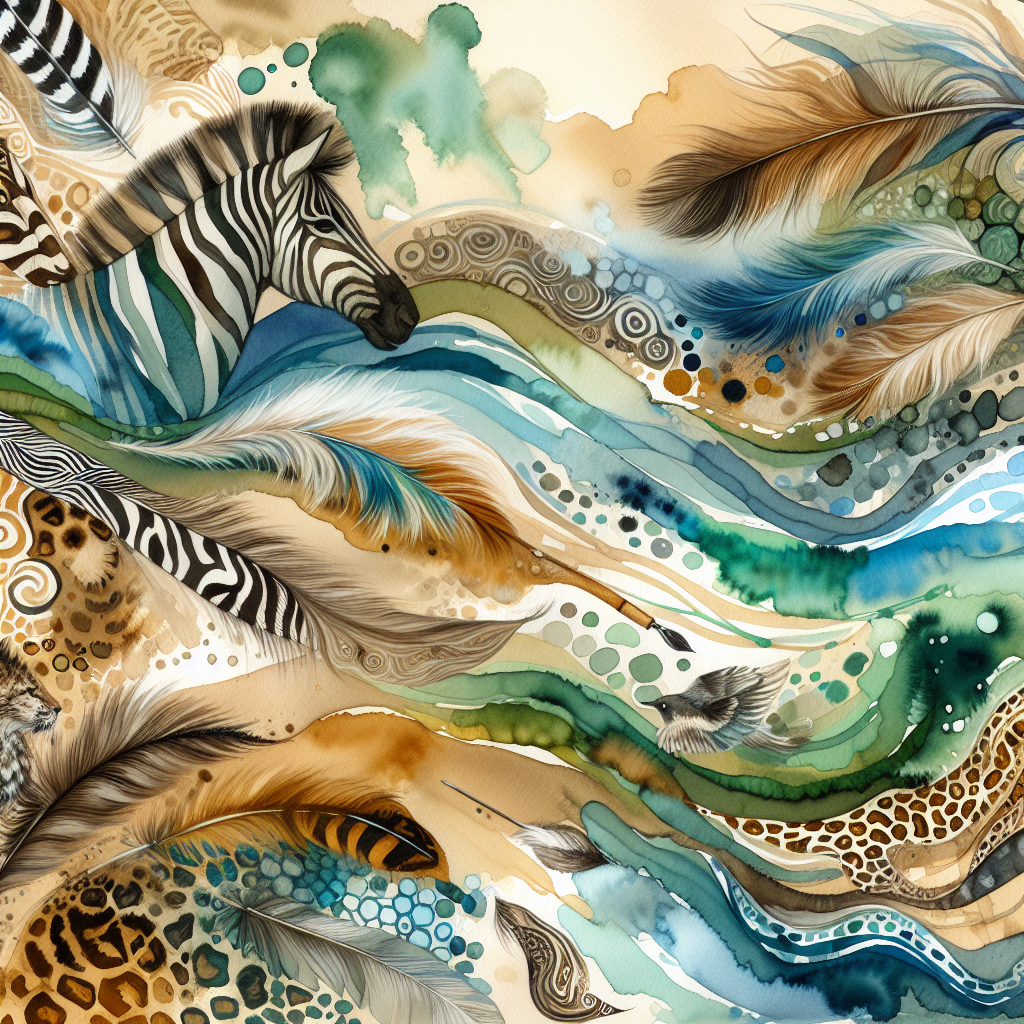
Reverse coloring removes the performance context structurally. There's no blank page. There's a printed watercolor image, already colorful and visually interesting, waiting for you to look at it and respond. Your task is not to create something good — it's to look at what's there and add to it. This is a different psychological position from conventional drawing, and it produces a different internal experience.
The absorbing quality of the activity is high. Looking at a complex watercolor background and finding the forms suggested by the colors — the curve of a petal in a wash of pink, the horizon line in a sweep of blue — requires genuine present-tense attention. The same attentional quality that makes mindfulness meditation effective is recruited here, but through looking and drawing rather than sitting and observing breath.
For people dealing with perfectionism specifically, reverse coloring offers an additional benefit: there's no objectively correct result. The forms you find in the watercolor are your interpretation. Someone else looking at the same image would find different forms. The absence of a correct answer makes evaluation irrelevant.
FreeReverseColoring.com delivers a new watercolor design each week, free, with no commitment. Print it and keep it on your desk. When you need a few minutes of genuine absorption — not mindless scrolling, not passive TV watching, but something that actually engages your attention — the printed image and a pen are ready.
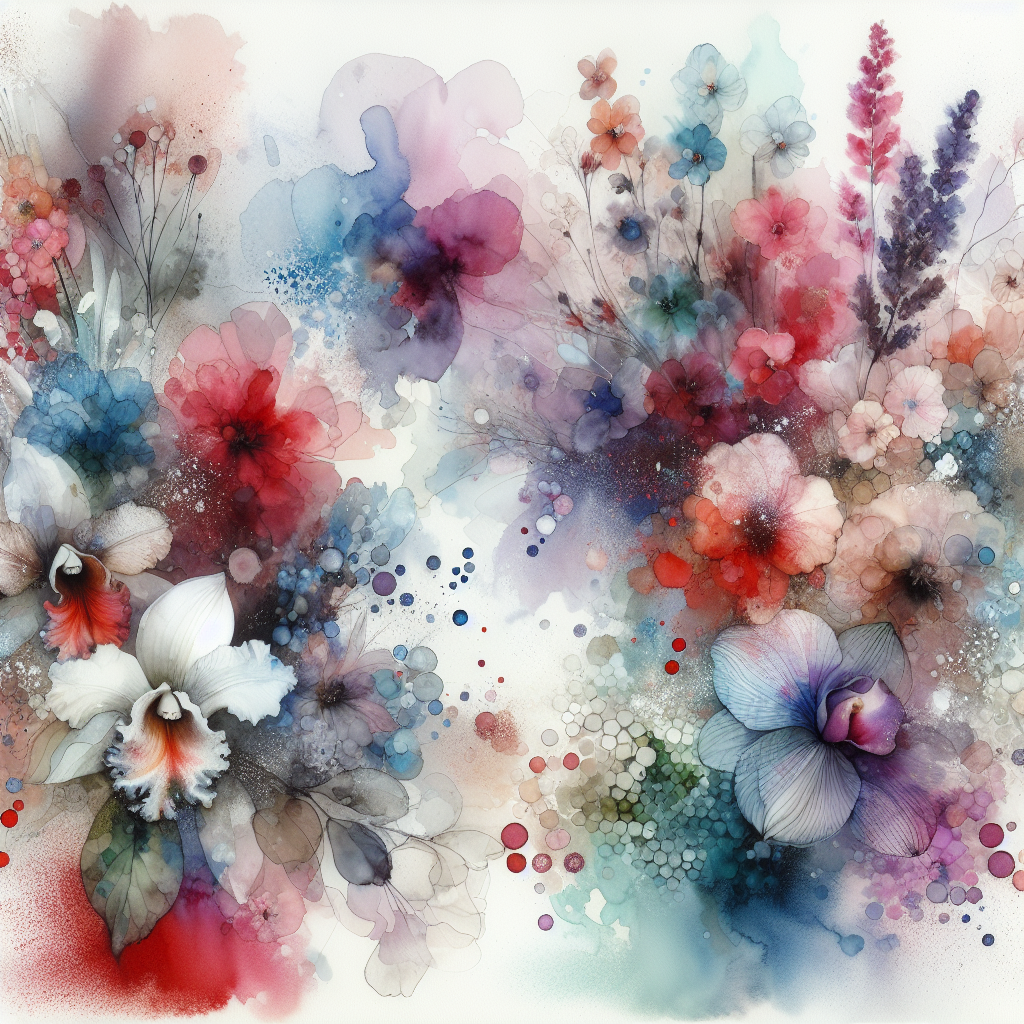
Ephemeral Wild
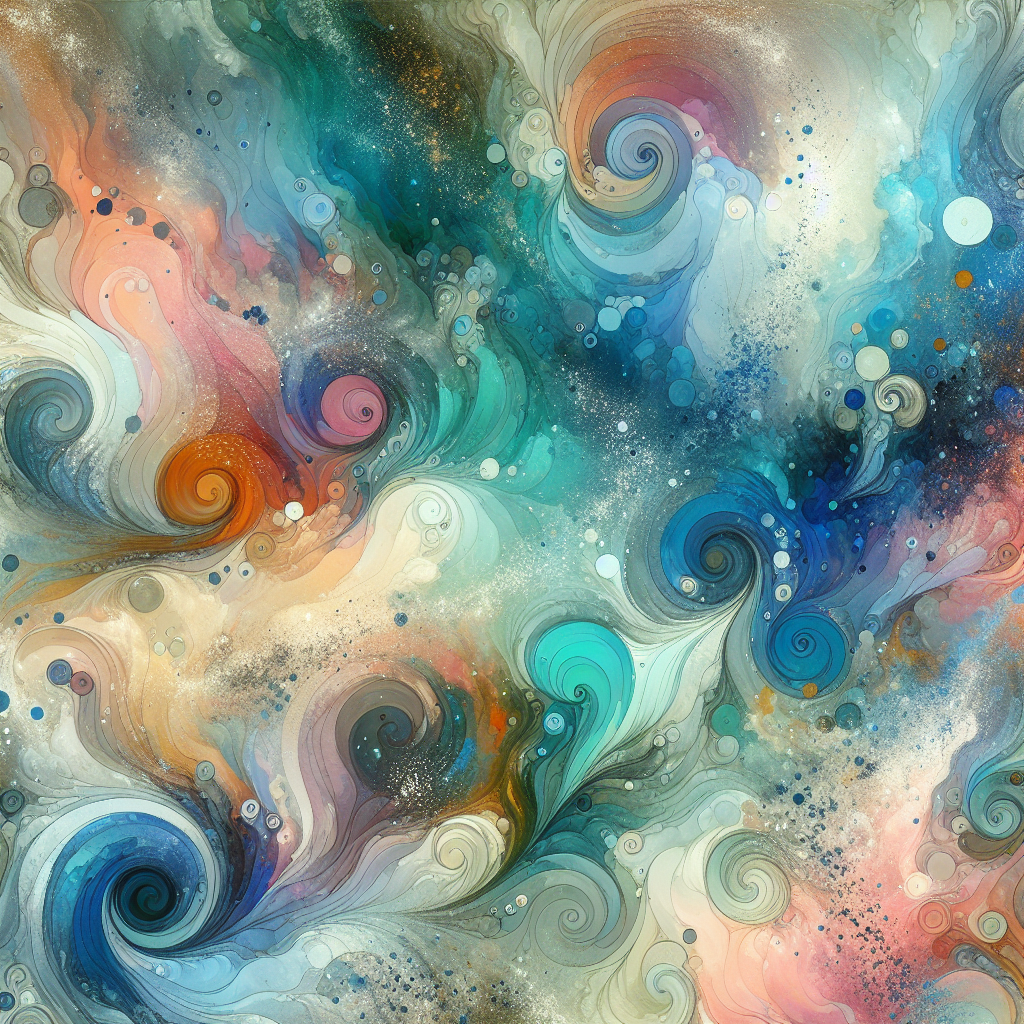
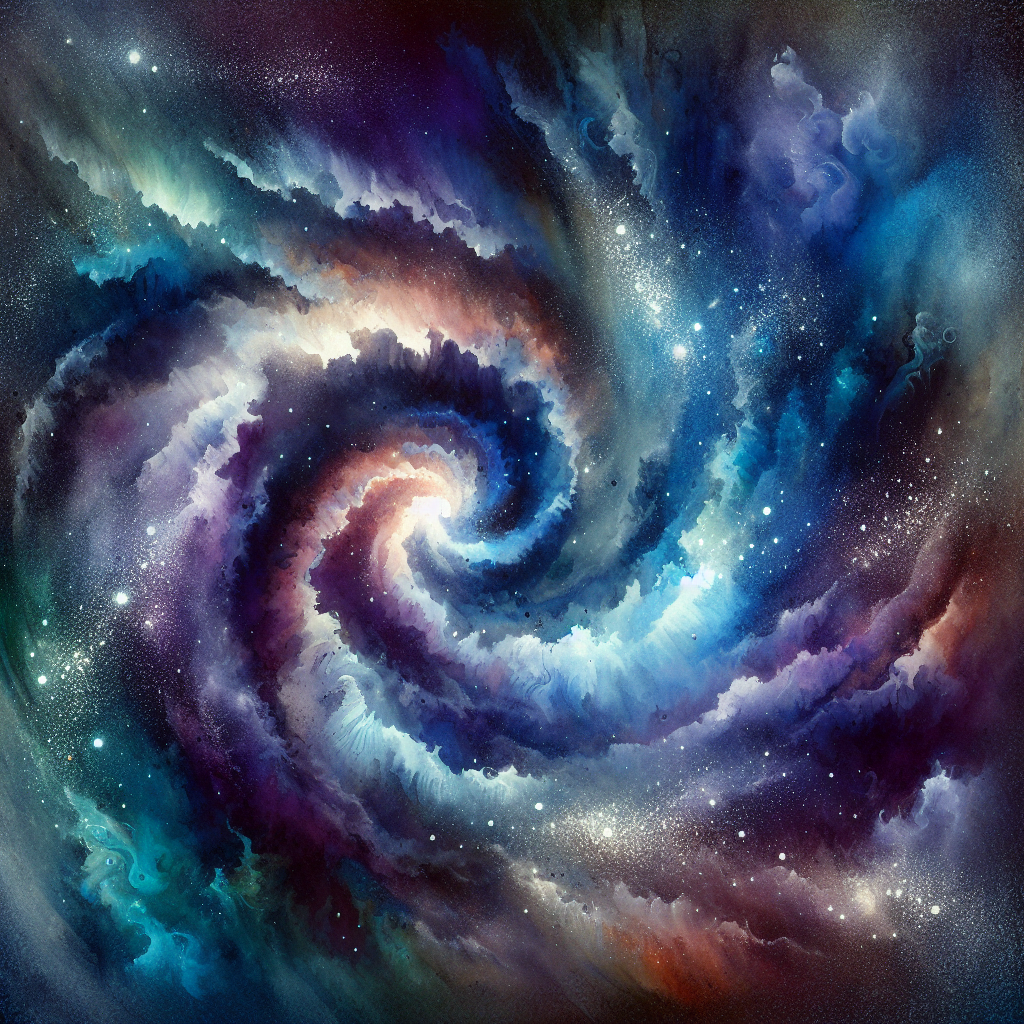
Ephemeral Swirls

Chromatic Journey
Top tip
For therapeutic art activities to produce benefits, the internal orientation matters more than the technique. The question to hold while making art is not "is this good?" but "what is this?" — curiosity toward what's emerging rather than evaluation of whether it meets a standard. This is easier said than done, especially for perfectionists, but it's the actual practice. Each time you notice evaluation creeping in, gently redirect to curiosity.
Building a Regular Practice
Therapeutic art activities are more effective practiced regularly than occasionally. This isn't because occasional sessions have no value — they do — but because many of the benefits (reduced baseline anxiety, improved emotional regulation, greater comfort with uncertainty) develop over time through repeated engagement.
A sustainable practice tends to look like: a defined time and place (morning sketchbook with coffee, evening reverse coloring before bed, weekend collage session), materials kept accessible and visible (not packed away in a closet), and a low threshold for what counts as a session (five minutes is a session; starting without knowing how long you'll go is fine).
What tends to kill the practice is treating it as a production process rather than a process practice. If you approach each session expecting to produce something you'll want to keep, you impose a quality standard that most sessions can't meet — and that becomes grounds for not starting. Art-making as a regular self-care practice works best when you're producing for no one, including yourself.
The research and art for people who can't draw both support the same conclusion: the therapeutic value of art-making has essentially nothing to do with the quality of the output. It has to do with the quality of the engagement. Skilled artists and total beginners both reduce cortisol when they make art. The skill difference is real; the therapeutic benefit difference is not.
If anxiety is a primary driver for your interest in therapeutic art, calming activities for anxiety explores the specific mechanisms in more detail. And if you want to understand the reverse coloring technique in full — how it works, what you need, and what to expect — what is reverse coloring is the place to start.
When to Seek Professional Help
Therapeutic art activities at home are appropriate for general self-care, stress management, mood support, and self-exploration in the context of normal life challenges and everyday emotional difficulty.
They are not appropriate as a primary or sole response to:
- Clinical depression or bipolar disorder
- Post-traumatic stress disorder (PTSD)
- Active suicidal ideation
- Severe anxiety disorder significantly affecting daily functioning
- Eating disorders
- Substance use disorders
- Psychosis
If you're experiencing any of the above, or if self-directed art activities are not providing meaningful relief over several weeks of consistent practice, please consult a mental health professional. A licensed therapist can refer you to a credentialed art therapist if that modality seems well-suited to your needs.
Therapeutic art activities can be a valuable complement to professional mental health care — many therapists actively encourage their clients to maintain a creative practice between sessions — but they are a complement, not a substitute.
Try a therapeutic art activity this week
Get a free watercolor design in your inbox — a ready-made starting point for 20 minutes of genuine engagement. No skill required, no blank page, no evaluation. Just looking and making.
Free forever. No spam. Unsubscribe anytime.
Want a ready-made home practice kit?
Mindful Strokes — Volume One is our curated printable book: 30 watercolor backgrounds across three moods plus 50 drawing prompts — enough structure for weeks of at-home sessions. One $9 download, free sample first.
Frequently Asked Questions
Is it safe to use art to explore difficult emotions without a therapist?
For most people, yes — with a caveat. Therapeutic art activities that involve reflective or expressive work (visual journaling, free-form painting) can bring up difficult emotions that feel surprising in their intensity. For most people in the normal range of psychological functioning, this is manageable and often feels clarifying. If you have a history of trauma, severe mental illness, or you find that art-making consistently produces overwhelming distress rather than manageable emotion, that's a signal to work with a therapist rather than independently. The intensity of what comes up when you make art without a clinical container can occasionally exceed what self-care can hold.
Can I use these activities with my children?
Many of the activities work well with children, particularly visual journaling, clay, collage, and mandala coloring. The framing matters: these should feel like play and exploration rather than therapeutic exercises (which they are, but children don't benefit from knowing they're being helped). Nature sketching is particularly good with children — it channels the natural curiosity about the world that drawing already serves for most kids. Reverse coloring works well with children aged approximately 6 and older, depending on fine motor development.
How is a visual journal different from a regular diary?
A text-only journal is verbal and sequential — you express what you can articulate in words, in the order you think of it. A visual journal can be non-sequential, non-verbal, and non-linear. You might fill a page with color before you have any words for what you're feeling. You might draw a shape that represents something you can't name yet. The visual element accesses a different processing system and can surface material that doesn't arrive through verbal reflection. Many people find that image-making and writing together produce a richer record of their internal life than either alone.
Do I need art supplies to start, or can I use what I have at home?
You can start with whatever you have: any pen, pencil, or marker; printer paper or a notebook. The only exception is clay or three-dimensional work, which requires acquiring materials. For reverse coloring specifically, the design prints on standard copy paper and any pen or marker works. Investing in slightly better materials — a decent sketchbook, a set of colored pencils or markers — tends to make the practice more inviting over time, but it's not a prerequisite for starting.
How is this different from just coloring books?
Coloring books provide outlines to fill with color — the structure is entirely predefined, and the task is essentially color selection within boundaries. Therapeutic art activities, and reverse coloring specifically, involve making marks of your own choosing — adding outlines, forms, and shapes to an existing image rather than filling predefined areas. This makes it generative rather than simply compliant, and the generative quality is what produces the psychological engagement. Coloring books can be calming (the repetitive, bounded nature of the task is soothing for some people), but they don't engage the same creative and expressive systems that therapeutic art activities do.